How to Commute From Calabasas to Downtown Los Angeles Traffic Guide
Travelers between Calabasas and Downtown Los Angeles face a 24‑to‑27‑mile stretch along US‑101 South, the fastest corridor that threads the Santa Monica Mountains before opening on...

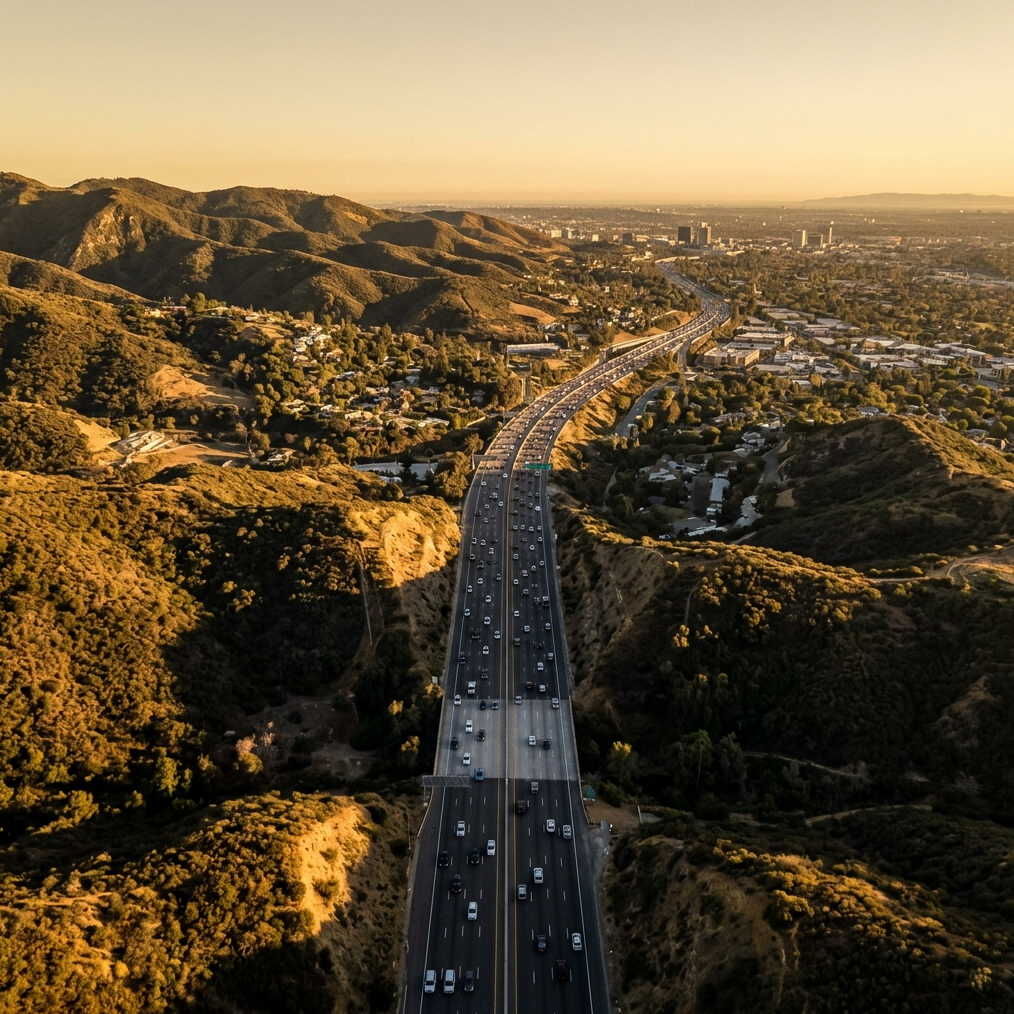
Calabasas · Community Photo
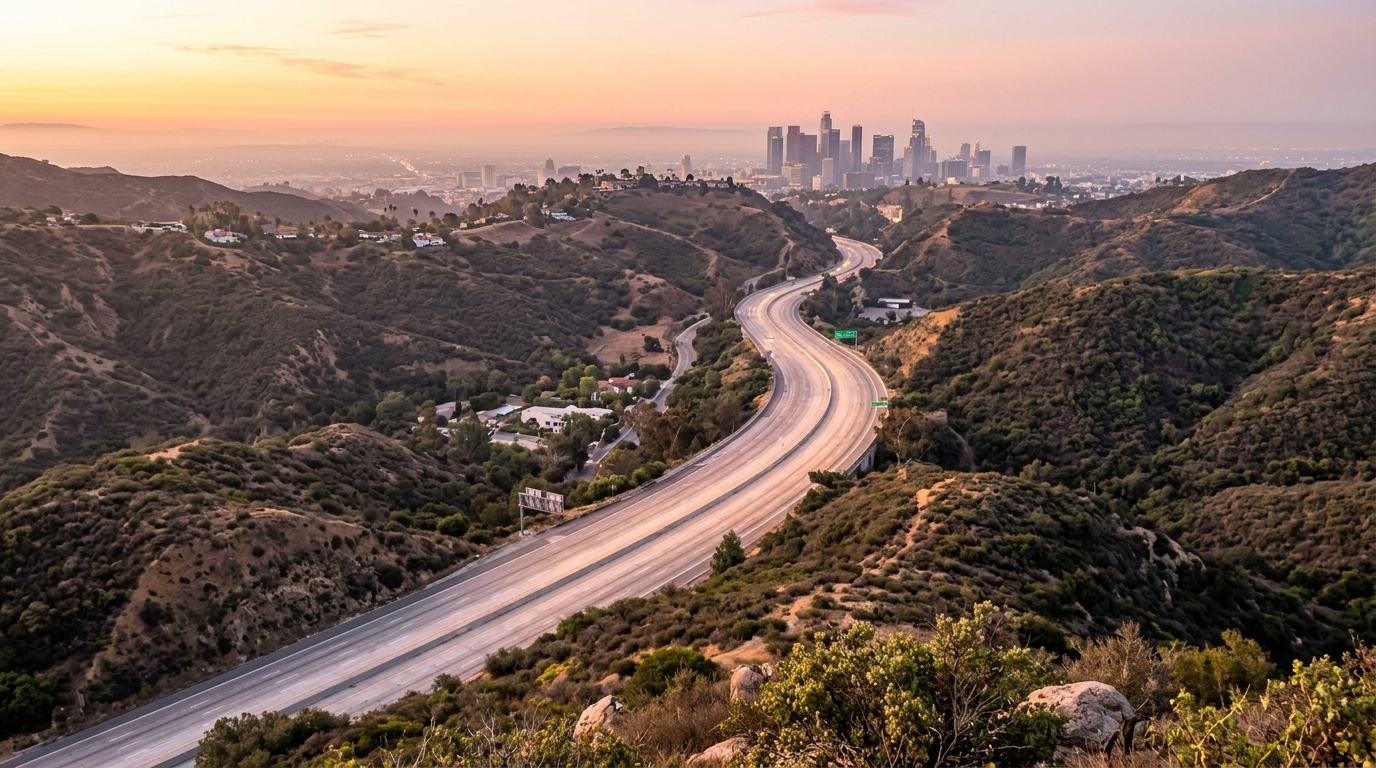
Travelers between Calabasas and Downtown Los Angeles face a 24‑to‑27‑mile stretch along US‑101 South, the fastest corridor that threads the Santa Monica Mountains before opening onto the downtown skyline. In optimal conditions, the drive clocks around 32 to 38 minutes, but weekday rush hours—from 6:30 AM to 9:30 AM in the morning and 3:30 PM to 7:30 PM in the evening—can stretch travel time to an hour or more. For those seeking alternatives, LADOT Commuter Express Routes 422 and 423 provide direct weekday service, while Metro bus‑to‑rail combos offer a longer but cost‑effective option. This guide equips Calabasas residents with the essential route choices, typical travel windows, and transit substitutes to plan a smoother daily journey.
Calabasas to Downtown LA Commute Overview
Nestled in the southwestern corner of the San Fernando Valley along the foothills of the Santa Monica Mountains, Calabasas offers a scenic start for anyone traveling toward the bustling core of the city. Depending on the exact destination within Downtown Los Angeles—whether the Financial District, Bunker Hill, or South Park—the commute distance spans roughly 26 to 30 miles. This range translates into a typical off‑peak drive of about 35 to 45 minutes when traffic flows freely.
During weekday rush hours, however, the same route can swell dramatically. Morning congestion from 7 am to 9:30 am and evening pressure between 4 pm and 7 pm frequently extend travel time to 60 minutes, and in heavier bursts it may exceed 90 minutes. The primary choke points include the 101/405 interchange and the Cahuenga Pass, where volume spikes sharply.
Understanding these patterns is essential for West Valley professionals and residents who rely on timely arrivals for work and family commitments. By recognizing when the corridor is most vulnerable, commuters can plan departure windows, consider alternate highways, or explore public‑transit options such as LADOT Commuter Express routes 422 and 423 that connect Calabasas directly to Downtown Los Angeles.
Know the calabasas to downtown la mileage and expected drive times.
Identify peak windows—7 am – 9:30 am and 4 pm – 7 pm—to avoid the longest delays.
Consider parallel routes (SR‑134/I‑5 or canyon‑to‑I‑10) when bottlenecks appear.
Explore commuter‑express buses for a reliable alternative during busy periods.
Equipping yourself with this how to commute from Calabasas to Downtown Los Angeles traffic guide knowledge turns a potentially stressful journey into a manageable part of your daily routine.
Calabasas to Downtown Los Angeles Rush Hour – Peak Traffic Calabasas DTLA
Morning Rush Hour
The Calabasas to Downtown Los Angeles rush hour begins early, with the overall window running from 6:30 AM to 9:30 AM. The toughest stretch hits between 7:15 AM and 8:45 AM as commuters from the western San Fernando Valley merge eastward onto US‑101. During this period, travel time can climb well beyond the normal 35‑45‑minute span.
Evening Rush Hour
Outbound traffic from DTLA back to Calabasas settles into the 3:30 PM to 7:00 PM window. The heaviest volume occurs between 4:30 PM and 6:30 PM, especially on Thursday and Friday afternoons when weekend‑bound drivers join the regular flow. This peak traffic Calabasas DTLA segment often doubles the typical drive time.
Off‑Peak Windows
For those looking to dodge congestion, mid‑day departures between 10:30 AM and 2:30 PM or late‑evening exits after 7:00 PM provide the best LA traffic times to avoid. In these windows, the 24‑mile stretch via US‑101 South usually averages 35 to 45 minutes.
Weather and Construction Impacts
Unexpected weather, heavy rain, or active freeway construction can easily add an extra 20 to 30 minutes to any of the above scenarios. Planning for these variables helps keep the commute predictable.
Departure Window | Commute Direction | Average Drive Time | Traffic Density / Conditions | Recommended Strategy |
|---|---|---|---|---|
Early Bird Morning | Calabasas → Downtown LA | 35–45 minutes (typical drive times) | Light to moderate; pre‑rush flow before major bottlenecks. | Best window to depart; cruise steadily. |
Peak Morning Rush | Calabasas → Downtown LA | 65–90+ minutes (extended drive times) | Heavy to severe; typical calabasas to downtown los angeles rush hour congestion at the 101/405 and 101/110 interchanges. | Avoid if possible; consider la traffic times to avoid and use real‑time navigation. |
Midday Off‑Peak | Both directions | 35–45 minutes (typical drive times) | Light to moderate; standard daytime volume. | Ideal for flexible schedules; minimal friction. |
Afternoon Peak Return | Downtown LA → Calabasas | 65–90+ minutes (extended drive times) | Heavy to severe; another calabasas to downtown los angeles rush hour segment. | Delay departure; if driving, expect stop‑and‑go and watch la traffic times to avoid. |
Late Evening Return | Downtown LA → Calabasas | 35–45 minutes (typical drive times) | Light to clear; traffic thins after 7 pm. | Safe for a fast return; good window for evening outings. |
US 101 Traffic Calabasas, 101 to 134 to 5 DTLA & Cahuenga Pass Bottleneck
This brief how to commute from calabasas to downtown los angeles traffic guide highlights the two primary highway options as well as scenic canyon routes for drivers heading to downtown Los Angeles.
Route 1: US 101 South (Ventura Freeway)
Path: US 101 South travels through the Cahuenga Pass and merges onto the Hollywood Freeway, delivering traffic directly into downtown.
Distance: Approximately 27–29 miles.
Key highlights & friction points: It is the most direct corridor, but US 101 traffic Calabasas encounters two major bottlenecks: the I‑405 interchange in Sherman Oaks and the Cahuenga Pass bottleneck just before the Four Level Interchange.
Route 2: US 101 East to SR 134 East to I‑5 South
Path: Drivers stay on US 101 East, transition to SR 134 East, then join I‑5 South (Golden State Freeway) toward downtown.
Distance: Roughly 31–33 miles, slightly longer than Route 1.
Key highlights & friction points: By taking the 101 to 134 to 5 DTLA alignment, the route circumvents Hollywood, often providing higher cruising speeds when the Cahuenga Pass bottleneck slows the alternate path.
Canyon Alternatives
Path: Topanga Canyon Boulevard or Malibu Canyon Road can connect to Pacific Coast Highway (PCH) and then I‑10.
Analysis: These winding, two‑lane corridors are scenic but generally slower because of lower speed limits, sharp switchbacks, and local traffic. They become competitive only when a major incident shuts down US 101.
Overall, commuters should weigh the guaranteed speed of the direct US 101 corridor against the potential delays at the I‑405 and Cahuenga Pass bottleneck, while the longer 101‑to‑134‑to‑5 option offers a reliable alternative during peak congestion. Canyon routes remain a scenic fallback when the freeway network is severely disrupted.
Commute Traffic Guide
- Check Sigalert, Google Maps, or Caltrans QuickMap before departure for real-time conditions on US‑101 and surrounding corridors.
- Watch for average speed drops and incident alerts — a severe slowdown means it's time to evaluate a bypass.
- LADOT Commuter Express Routes 422 & 423 connect Calabasas to Downtown LA and USC on weekdays — a viable alternative on the worst congestion days.
Both canyon routes add distance and winding road time. They are not time-savers under normal conditions — treat them as pressure-valve options when major incidents shut down the Valley freeways.
Calabasas DTLA Public Transit LADOT Commuter Express 422/423
LADOT Commuter Express (Routes 422 & 423)
For residents seeking a reliable calabasas dtla public transit solution, the LADOT Commuter Express 422 423 runs directly between the San Fernando Valley and downtown Los Angeles.
Service Schedule: Weekday service Monday through Friday, with no operation on weekends or major holidays such as New Year’s Day and Christmas. Morning inbound trips deliver riders to downtown and the USC area, while evening outbound runs return commuters toward the Conejo Valley.
Pick‑Up Points: Park‑and‑ride lots and designated stops along the 101 corridor—including locations near Thousand Oaks Transit Center and Agoura Hills—serve Calabasas drivers looking to board quickly.
Onboard Amenities: Buses feature reclining coach seats, Wi‑Fi connectivity, and individual reading lights, allowing passengers to work or relax during the roughly 67‑minute journey.
Drop‑Off Zones: Direct alighting points are situated near Figueroa Street, Grand Avenue, the Financial District, and the USC campus, simplifying the final leg of the commute.
Metrolink Regional Rail (Ventura County Line)
Another option is to drive a short distance north to catch the chatsworth metrolink to union station service, which links Calabasas commuters with the broader rail network.
Nearby Stations: The Chatsworth Metrolink Station at 10046 Old Depot Plaza Rd. and the Northridge Metrolink Station provide convenient access for drivers from Calabasas.
Train Travel Time: The Ventura County Line delivers a 54‑minute ride from Chatsworth into Los Angeles Union Station.
Connecting Transit: At Union Station, riders can transfer to the Metro B Line (Red) or Metro A Line for rapid circulation into downtown’s civic and commercial centers.
Both the commuter express and the Metrolink rail provide alternatives to congested freeways, helping commuters answer the question of how to commute from calabasas to downtown los angeles traffic guide without sitting in traffic.
Why Calabasas Commuters Choose LADOT Commuter Express
Riding the LADOT Commuter Express 422 423 lets residents reclaim roughly two hours of daily productivity – an average 67‑minute trip each way replaces the stress of driving the Ventura Freeway during peak mornings and evenings.
Fare structures are designed for affordability. Multi‑zone tickets start at $2.50 for a one‑way cash fare, with reduced senior and disabled rates beginning at $1.25. Passes that span 31 days or 20 trips provide additional savings for frequent riders.
The service delivers direct access to the heart of downtown, stopping at key commercial cores such as the Financial District, Civic Center, Bunker Hill and the USC area. This seamless connection means Calabasas commuters reach major employment hubs without navigating congested interchanges.
All schedule information, real‑time alerts and route maps are available on the LADOT Transit website. TAP cards handle fare payment, and riders can load a Commuter Express pass or stored value directly onto their TAP card for quick boarding.
For those new to the system, the recommendation is to try transit one or two days a week, using park‑and‑ride options near Calabasas to ease into the routine while enjoying onboard Wi‑Fi and a stress‑free commute.
When searching for how to commute from Calabasas to Downtown Los Angeles traffic guide, consider the reliable alternative offered by Calabasas DTLA public transit via LADOT’s express routes.
Commuting Tips Calabasas & FAQ Calabasas DTLA Commute
Seasoned Local Commuter Advice
Conquering the trek from the oak‑shaded hills of Calabasas down to Downtown Los Angeles feels like a rite of passage. Below are practical tips that Calabasas residents rely on every weekday to keep the drive smooth and the mood upbeat.
Check Apps Before You Roll: Load Waze, Apple Maps, or Google Maps the moment you step out. Real‑time alerts about US‑101 lane closures, stalled vehicles, or sudden slowdowns help you how to avoid LA rush hour and steer clear of unexpected bottlenecks.
Embrace Flexibility: If your job permits, negotiate a hybrid schedule—perhaps in‑office Tuesday through Thursday. Target departure before 7:00 AM or after 9:30 AM to glide past the heaviest morning traffic, a top commuting tips Calabasas strategy for daily commuters.
Turn Gridlock into Growth: Use inevitable stop‑and‑go time to binge‑listen to an audiobook, catch up on a serialized podcast, or practice a new language lesson. Turning idle minutes into productive moments makes the commute feel shorter.
Prioritize Vehicle Readiness: The San Fernando Valley sun can bake a car interior fast. Keep tire pressure optimal, maintain a full fuel tank or healthy EV charge, and stash an emergency water bottle and a reflective sunshade within arm’s reach.
You don’t have to navigate the daily grind alone, Calabasas! Stay connected, share your own shortcuts, and keep up with everything happening right here in our neighborhood by staying locked in with Totally Calabasas.
Leaving Calabasas before 6:30 AM or after 9:30 AM consistently avoids the morning crush that defines the LA rush hour. This window sidesteps the heaviest queue on US‑101 and gives you a smoother ride into Downtown Los Angeles.
The State Route 134 east‑to‑I‑5 south shortcut shines when the Cahuenga Pass backs up past Universal Studios. In those moments the 134/5 combo can shave several minutes off the trip, whereas under normal flow the direct US‑101 remains the quickest path.
High‑occupancy vehicle lanes are present on the Ventura Freeway (US‑101) through the San Fernando Valley, requiring two or more passengers. However, the HOV lanes end before the Hollywood Freeway segment, so carpooling offers a speed boost only on the valley stretch, not a continuous bypass to Downtown.
LADOT’s Commuter Express routes 423 and 422 operate Monday‑through‑Friday, delivering a direct ride from Calabasas to Downtown Los Angeles. Route 423 averages about 67 minutes travel time, making it a viable alternative for those seeking a reliable option. This answer addresses one of the frequently asked questions Calabasas DTLA commute concerns and highlights the role of Calabasas DTLA public transit.