The Meaning and History of the Name Calabasas

Calabasas · Community Photo
Discover the dual origins that answer the question of what is the meaning and history of the name Calabasas: from Spanish rancho pumpkin lore and the “calabazas” harvest to the Chumash phrase meaning “where the wild geese fly.” Explore the Calabasas name origin through stagecoach trails, historic vineyards, and today’s vibrant community spirit.
While today’s Calabasas is celebrated as a celebrity‑filled enclave, its name carries a story that stretches back to the region’s earliest inhabitants.
The meaning of Calabasas can be traced to two competing origins: one rooted in Spanish, where calabaza means pumpkin or squash, and another rooted in the language of the local Chumash people, whose term calahoosa is said to mean “where the wild geese fly.”
So, what does Calabasas mean in English? It either honors the abundant winter squashes that once dotted the landscape or commemorates the migratory birds that guided the Chumash’s seasonal movements, a dual legacy that still echoes in the city’s culture today.
Learn more about Calabasas’ history and name origins
Calabasas Spanish Origin and Chumash Calahoosa Roots
Etymological Origin | Linguistic Root | Literal Translation | Historical Context / Evidence | Modern Legacy |
|---|---|---|---|---|
Calabasas Spanish origin (calabaza) | Calabaza | Calabaza meaning “pumpkin” or “winter squash”, a wild gourd | The Spanish settlers noted abundant wild squashes; legend says Basque rancher Miguel Leonis’s wagon overturned in 1824, spilling pumpkins that grew into a patch giving the area its name. | The city seal features a pumpkin motif, the annual Calabasas Pumpkin Festival celebrates the name, and the term appears throughout local branding. |
Chumash calahoosa theory | Calahoosa | “Where the wild geese fly” | Early Chumash settlements used a word thought to be calahoosa, meaning where the wild geese fly; some historians cite this as the original source of the place name. | The alternative explanation is highlighted in city historical archives and continues to appear in cultural storytelling and tourism materials. |
Linguistic Roots
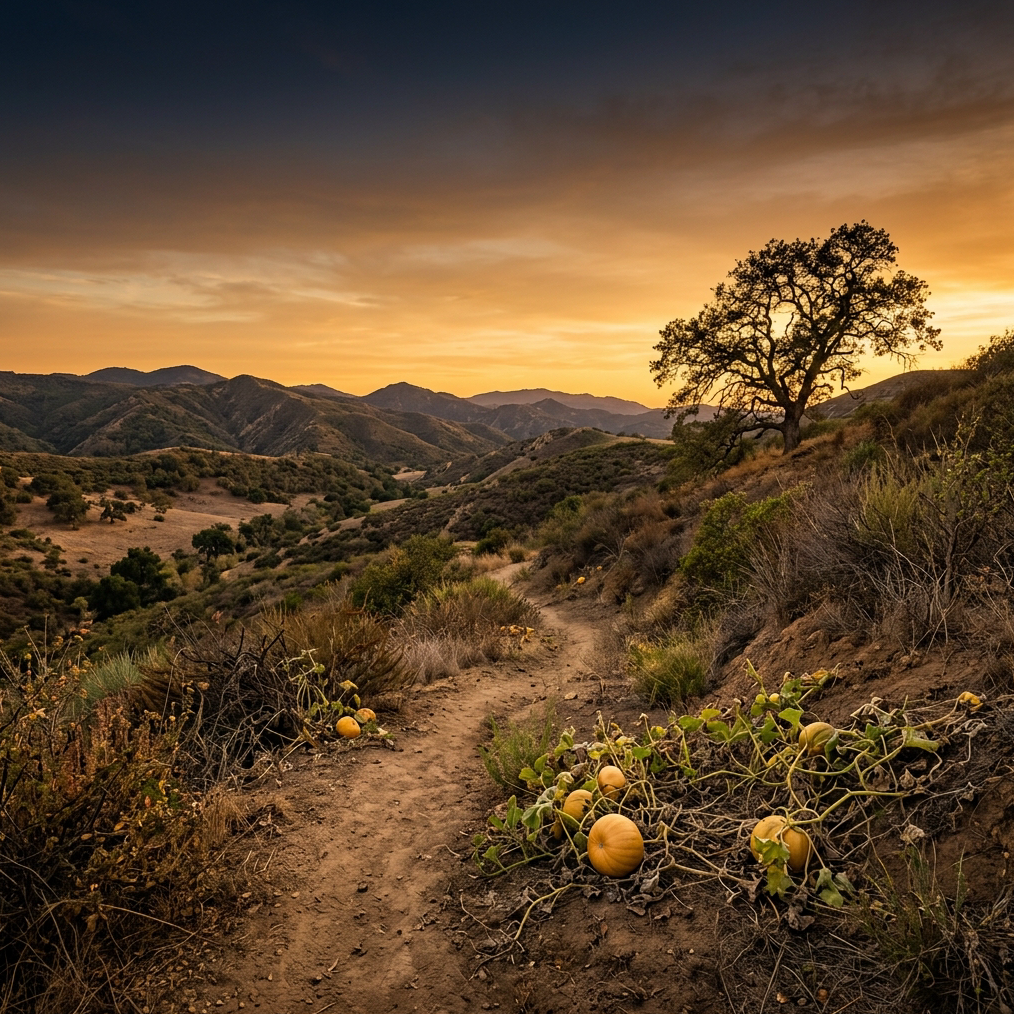
Early Californios in the Santa Monica foothills referred to the abundant wild gourds and pumpkins as calabaza. In Spanish, the calabaza meaning is “pumpkin,” “squash,” or “wild gourd,” a description that fit the natural landscape of present‑day Calabasas.
The colorful 1824 folk tale tells how the Miguel Leonis pumpkin wagon overturned while crossing a narrow canyon. Legend says the spilled pumpkins sprouted into a thriving patch, giving the valley its name. This story is frequently cited in local histories and highlights how a single accident could cement a place‑name in popular memory.
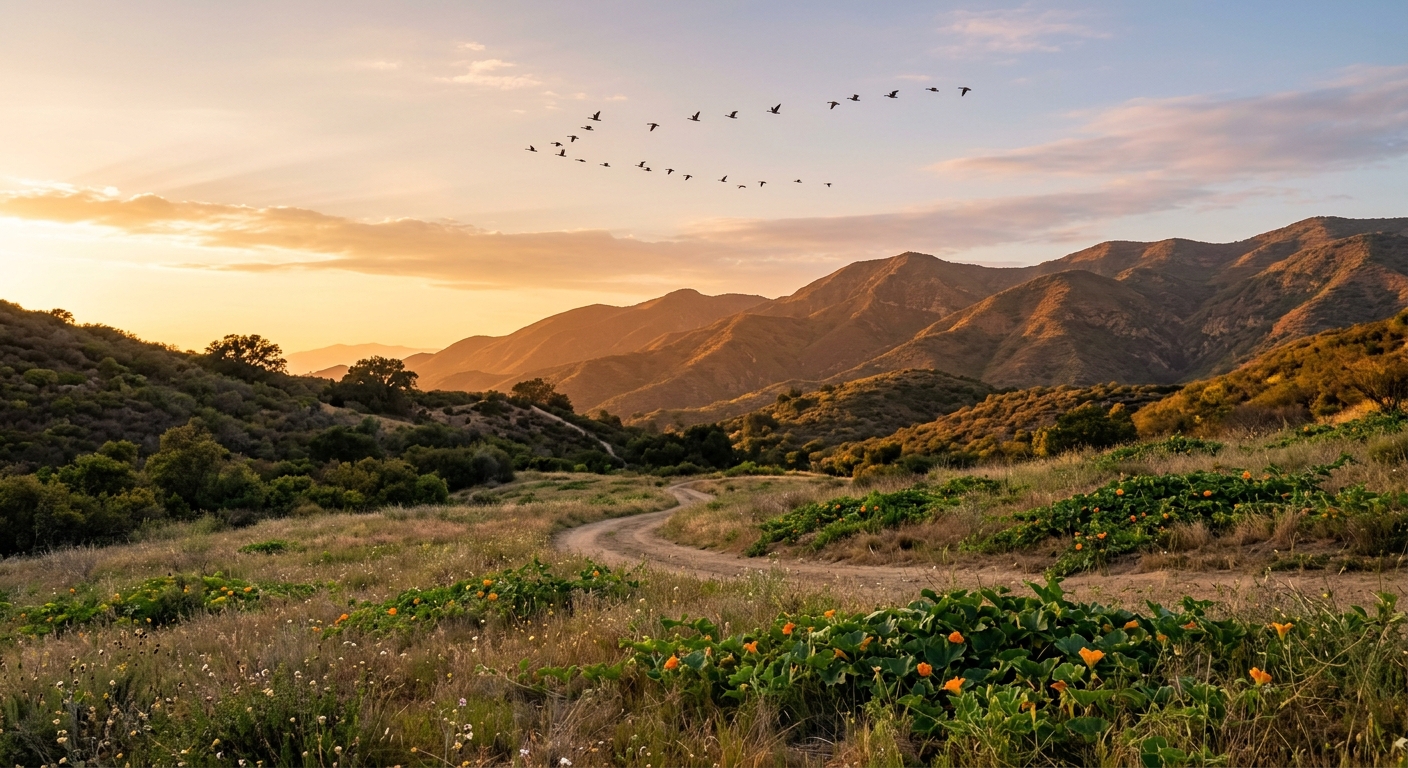
From the indigenous perspective, many scholars point to a possible Chumash origin. The native inhabitants who lived along the riparian corridors may have called the area Chumash calahoosa, which translates to “where the wild geese fly.” This interpretation links the name to the migratory geese that historically used the Santa Monica Mountains as a stopover.
Comparison of the Two Theories
Spanish Origin – Derived from calabaza meaning “pumpkin” or “squash,” reflecting the region’s natural flora.
Chumash Origin – Based on the word calahoosa, meaning “where the wild geese fly,” referencing the area’s avian migrations.
Folklore Influence – The Miguel Leonis pumpkin wagon legend (1824) reinforces the Spanish‑derived narrative.
Both explanations continue to appear on municipal and historical resources, such as the Calabasas, California Wikipedia entry and the City of Calabasas official history page.
The History of Calabasas and the Leonis Adobe
A Timeline of the
History of Calabasas
Explore the rich history of Calabasas — from its ancient Chumash roots and the legendary pumpkin wagon to its official Calabasas incorporation in 1991.
Calabasas: A Frontier Legacy
The History of Calabasas begins with the Chumash peoples who once roamed the hills and valleys, followed by Spanish explorers who named the area after the abundant “calabazas” – wild pumpkins and gourds that dotted the landscape.
In the mid‑19th century, a towering Basque rancher known as the “King of Calabasas,” Miguel Leonis, consolidated vast tracts of land. His residence, the Leonis Adobe, was constructed in 1844 and now stands as one of Los Angeles County’s oldest private homes, a tangible reminder of the region’s ranching era.
During the late 1800s, the settlement thrived as a stagecoach stop along the historic El Camino Real. Travelers and mail riders paused at the adobe and nearby taverns, stitching Calabasas into the broader tapestry of Southern California’s western frontier.
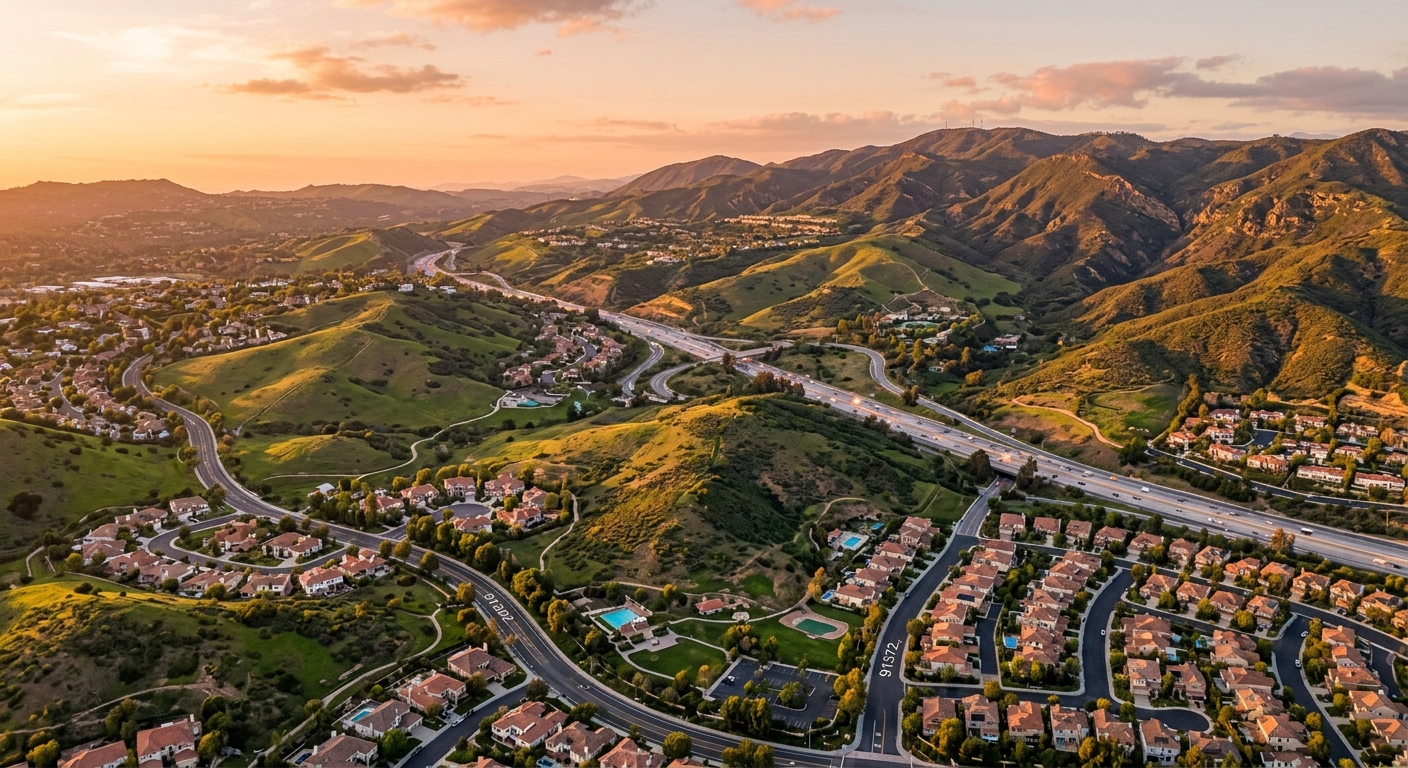
Despite growth, the community preserved nearly half of its 15 sq mi footprint as open space, maintaining the natural habitats that first inspired its name.
After more than a century of evolution, the city formalized its status on April 5, 1991. The event marked the official Calabasas incorporation 1991, solidifying a legacy that spans indigenous roots, ranch‑era dominance, and modern municipal stewardship.
Living the Legacy: Calabasas Pumpkin Festival and City Seal
Calabasas Pumpkin Festival
The community gathers each autumn for the Calabasas Pumpkin Festival, a celebration that showcases pumpkin carving contests, seasonal tastings, and handcrafted goods that echo the city’s namesake heritage.
Calabasas City Seal
When Calabasas incorporated on April 5, 1991, the newly adopted Calabasas City Seal featured a red‑tailed hawk soaring above the Santa Monica Mountains, with pumpkin vines framing the emblem—a visual reminder of the “winter squashes” that inspired the city’s name.
Old Town Calabasas
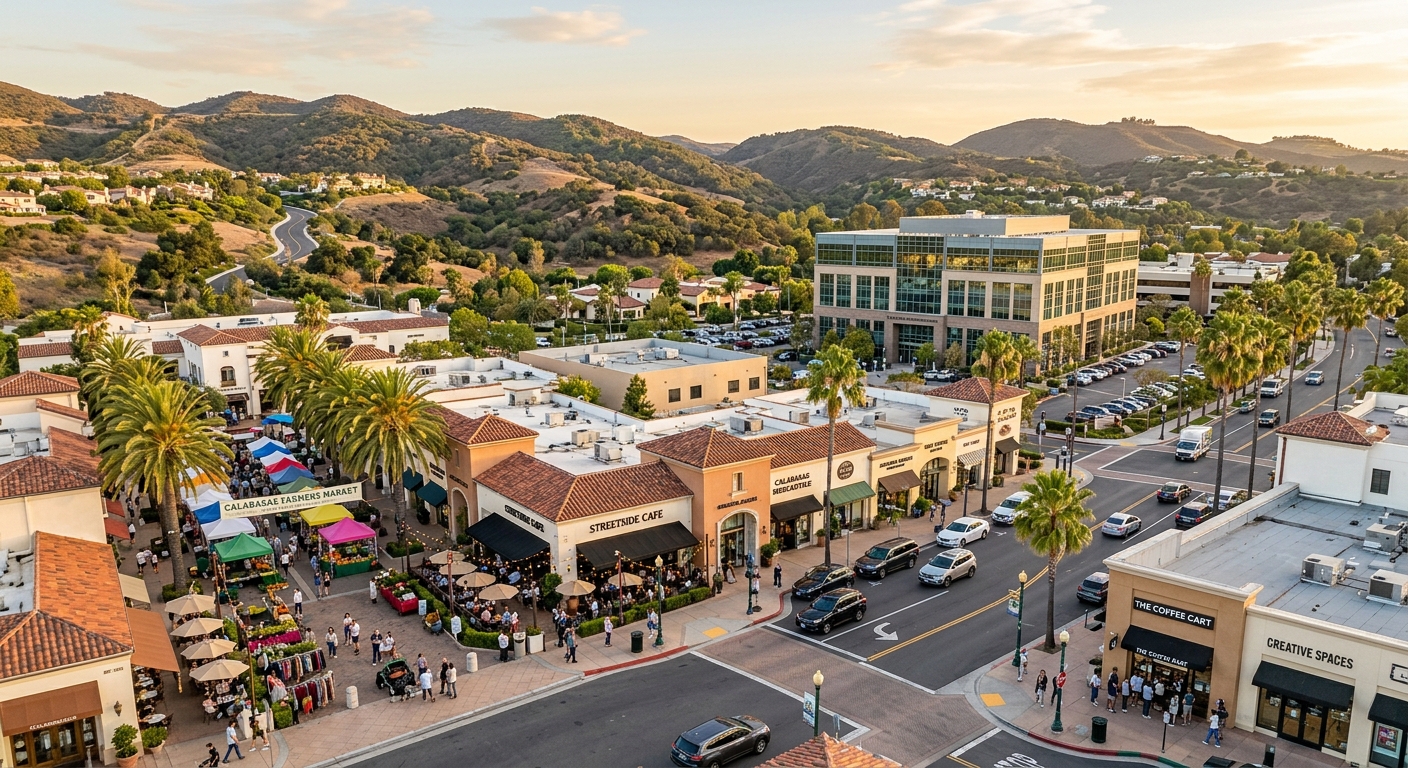
Walking through Old Town Calabasas, visitors encounter wooden boardwalks and historic adobe buildings that preserve the rancho atmosphere while sitting alongside upscale boutiques and modern residences.
Why Is Calabasas Famous?
Beyond its celebrity homes and open‑space preservation, the city’s identity is rooted in the pumpkin legacy reflected in its festival, seal, and historic district, answering the question of why Calabasas is famous to both locals and visitors alike.
Discover Old Town Calabasas and Join the Calabasas Newsletter
Explore the historic heart of the city—Old Town Calabasas—where 1844 roots meet modern luxury, and stay informed about local events, history features, and community guides by subscribing to the Calabasas newsletter.
Calabasas FAQ: What Does Calabasas Mean in English?
The name Calabasas comes from the Spanish word calabaza, which means pumpkin, squash, or wild gourd. In the Californio dialect the plural form “calabazas” was rendered as “Calabasas,” an archaic spelling that appears in early city records. This Spanish etymology explains the “Calabasas meaning English” as a reference to winter squashes that once grew abundantly in the area.
The tale of a 1824 wagon overturning on the ranch of Miguel Leonis and spilling pumpkins that gave the area its name is a popular folk legend. While the story is often repeated, historical accounts note that the name more plausibly derives from the native wild gourds that already populated the hills, making the wagon‑accident narrative more myth than documented fact.
Another theory traces the name to the Chumash word calahoosa, which is interpreted as “where the wild geese fly.” Some local historians have highlighted this indigenous origin, although the exact Chumash term has not been definitively identified in archival records.
Calabasas has become an upscale enclave celebrated for its scenic open spaces—nearly half of its 15 sq mi remain undeveloped—and its strong sense of community heritage. Incorporated on April 5 1991, the city seal features a red‑tailed hawk soaring over the Santa Monica Mountains alongside a pumpkin motif, linking modern fame to historic roots. Today the city is known for privacy, high‑quality residences, and a vibrant local culture that blends historic rancho charm with contemporary affluence.